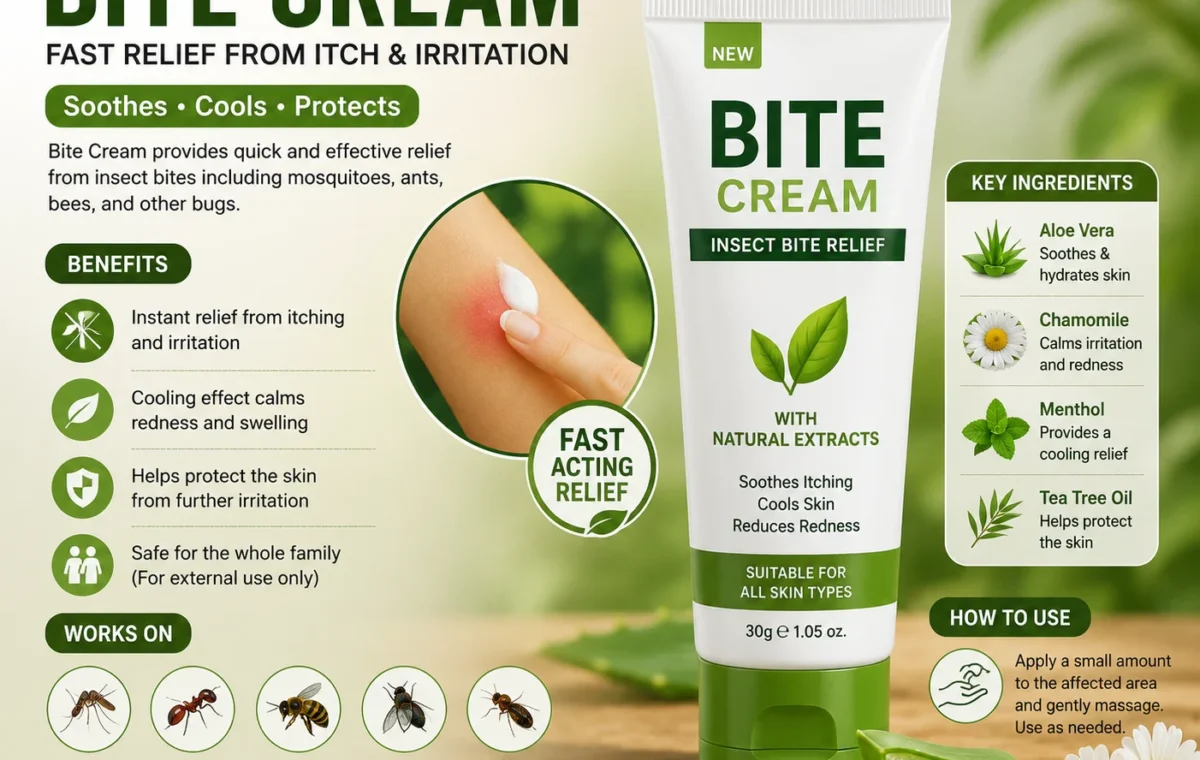
Bites from insects can quickly turn an enjoyable day outdoors into an uncomfortable experience. A good bite cream can help reduce itching, redness, irritation, and swelling, making it easier to get on with your day. Whether you’ve been bitten by mosquitoes, midges, fleas, or other common insects, choosing the right treatment can make a noticeable difference.
- Quick Facts
- Table of Contents
- What Is Bite Cream?
- Why insect bites itch
- Which bites can bite cream help?
- When bite cream may not be enough
- Types of Bite Cream and How They Work
- Hydrocortisone bite cream
- Antihistamine creams
- Cooling and soothing creams
- How to Choose the Right Bite Cream
- Consider the severity of the bite
- Think about sensitive skin
- Check age recommendations
- How to Treat Insect Bites at Home
- Clean the affected area
- Apply the cream correctly
- Avoid scratching
- Preventing Future Insect Bites
- Wear protective clothing
- Use insect repellent
- Reduce exposure
- Comparison Table
- Did You Know?
- Key Takeaways
- Q: What is the best bite cream for mosquito bites?
- Q: How quickly does bite cream work?
- Q: Can children use bite cream?
- Q: Is bite cream safe to use every day?
- Q: When should I see a doctor instead of using bite cream?
- Choosing the Right Bite Cream
This guide explains how bite cream works, the different types available, when to use them, and when you should seek medical advice instead of treating a bite at home. You’ll also learn practical tips for preventing insect bites, comparing treatment options, and using bite creams safely for adults and children.For more insights read here:- tennis shoes for men and british car brands.
Quick Facts
| Feature | Details |
|---|---|
| Product Type | Topical skin treatment |
| Best For | Itchy insect bites and mild skin irritation |
| Common Ingredients | Hydrocortisone, antihistamines, crotamiton, local anaesthetics, calamine, aloe vera |
| Typical Benefits | Reduces itching, redness, swelling and discomfort |
| Available As | Cream, gel, lotion, roll-on |
| Suitable For | Depends on product instructions and age recommendations |
| Prescription Needed | Most bite creams are available over the counter; some stronger treatments require a prescription |
Table of Contents
- What Is Bite Cream?
- Types of Bite Cream and How They Work
- How to Choose the Right Bite Cream
- How to Treat Insect Bites at Home
- Comparison Table
- Did You Know?
- Key Takeaways
- FAQs
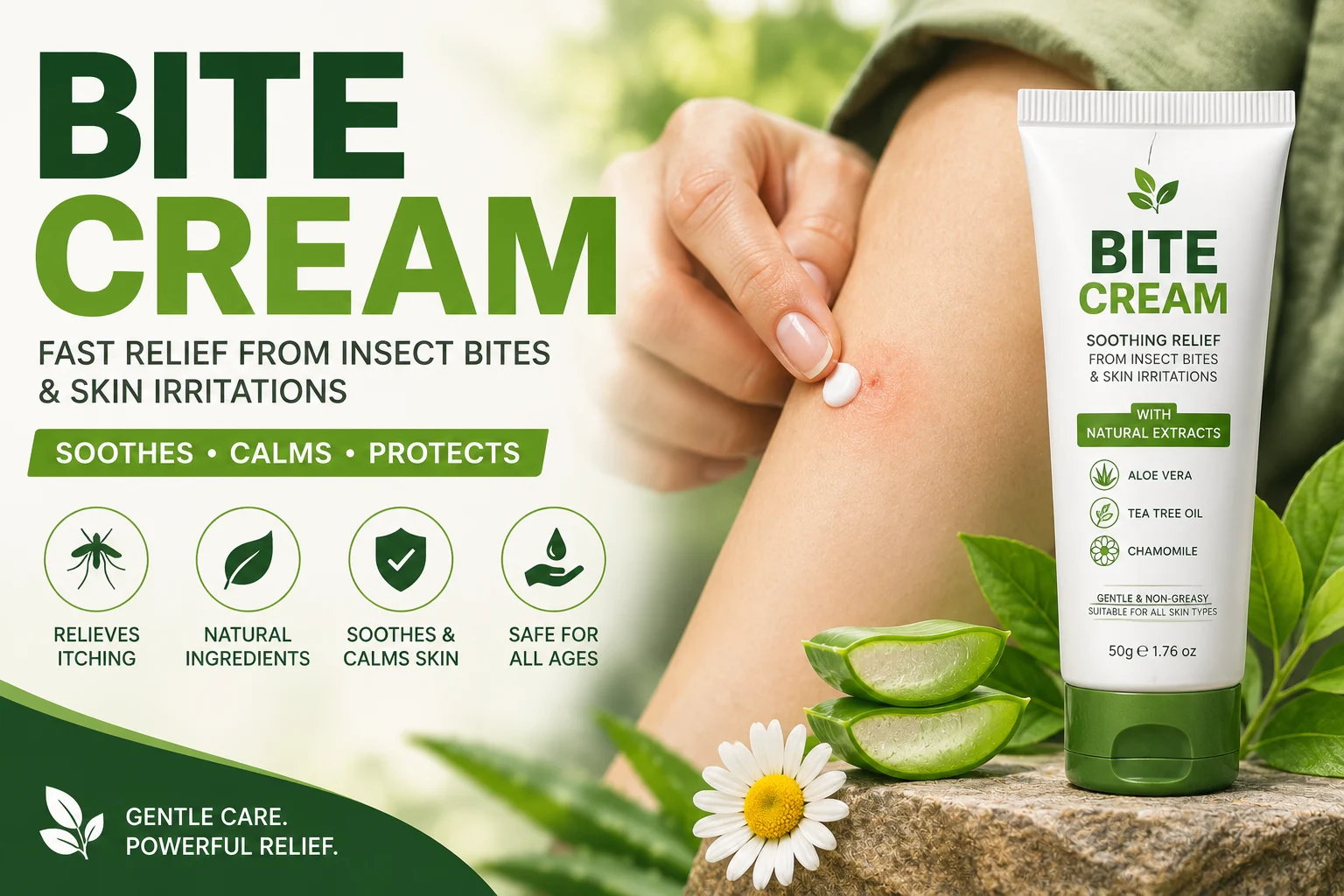
What Is Bite Cream?
A bite cream is a topical treatment designed to relieve the symptoms caused by insect bites and stings. Rather than removing the bite itself, these products help calm the skin and reduce irritation while your body’s natural healing process takes place.
Many bite creams work by reducing inflammation or blocking the itch response. Others cool the skin, moisturise dry areas, or create a protective barrier that reduces scratching. The best option depends on the cause of your symptoms and your individual skin sensitivity.Also explore:- lentils in tamil.
Why insect bites itch
When an insect bites, your immune system reacts to proteins or saliva left behind. This response releases chemicals, including histamine, which cause redness, swelling, and the familiar itchy feeling.
Although scratching may provide temporary relief, it can damage the skin and increase the risk of infection.
Which bites can bite cream help?
Most over-the-counter bite creams are suitable for common bites such as:
- Mosquito bites
- Midge bites
- Flea bites
- Bed bug bites
- Ant bites
- Mild insect stings
Some creams may also soothe irritation caused by plant contact or minor skin allergies, depending on their ingredients.
When bite cream may not be enough
Seek medical advice if a bite causes:
- Difficulty breathing
- Swelling of the lips, tongue, or throat
- Widespread rash
- Severe pain
- Signs of infection such as pus or increasing redness
- Fever after an insect bite
These symptoms may require urgent medical assessment.
Types of Bite Cream and How They Work
Different products use different active ingredients. Understanding them helps you choose the most appropriate treatment.
Hydrocortisone bite cream
Hydrocortisone is a mild corticosteroid that reduces inflammation. It is often recommended for bites that become particularly swollen or itchy.
It should usually only be used for short periods and according to the instructions on the packaging. It may not be suitable for very young children or certain skin conditions without medical advice.
Antihistamine creams
Some bite creams contain antihistamines designed to reduce itching caused by the body’s allergic response.
These products can provide temporary comfort, although some healthcare professionals prefer oral antihistamines for widespread reactions rather than topical versions.
Cooling and soothing creams
Cooling formulations containing ingredients such as aloe vera, calamine, or menthol help calm irritated skin without steroids.
These creams are popular for:
- Mild mosquito bites
- Sensitive skin
- Children (where suitable according to the label)
- Frequent outdoor activities
They generally focus on symptom relief rather than reducing inflammation.
How to Choose the Right Bite Cream
Not every insect bite requires the same treatment. Your symptoms should guide your choice.
Consider the severity of the bite
For mild itching, a cooling gel or calamine-based cream may be enough.
If swelling and redness are more noticeable, a hydrocortisone cream may provide better relief when used appropriately.
Persistent symptoms should always be assessed by a healthcare professional.
Think about sensitive skin
People with eczema or easily irritated skin should choose fragrance-free products whenever possible.
Before applying a new cream over a larger area, test a small amount on healthy skin to check for irritation.
Check age recommendations
Some bite creams are designed specifically for adults, while others can be used by children above certain ages.
Always follow the manufacturer’s instructions and ask a pharmacist if you’re unsure which option is suitable.
For more family health advice, readers may also enjoy our summer skin care guide and common outdoor health tips.
How to Treat Insect Bites at Home
Using bite cream is only one part of effective treatment.
Clean the affected area
Wash the bite gently with soap and water before applying any cream.
Cleaning the skin helps reduce the chance of bacteria entering through broken skin caused by scratching.
Apply the cream correctly
Use only the recommended amount.
Avoid applying multiple products at the same time unless advised by a healthcare professional, as this can increase irritation or reduce effectiveness.
Wash your hands after application unless the treated area is on your hands.
Avoid scratching
Scratching can:
- Break the skin
- Delay healing
- Increase infection risk
- Make itching worse
Keeping fingernails short and using a cold compress alongside bite cream may reduce the urge to scratch.
Preventing Future Insect Bites
Prevention often saves more discomfort than treatment.
Wear protective clothing
Long sleeves and lightweight trousers help reduce exposed skin during outdoor activities, especially at dusk when mosquitoes are most active.
Light-coloured clothing may also make some insects less attracted to you.
Use insect repellent
Applying an appropriate insect repellent before spending time outdoors provides one of the most effective forms of protection.
Always follow product directions regarding reapplication.
Reduce exposure
Simple measures include:
- Closing windows during peak insect activity
- Using window screens
- Avoiding standing water where mosquitoes breed
- Covering food outdoors to discourage insects
For related reading, you may also like our guide to seasonal allergies.
Comparison Table
| Type | Best For | Main Benefit | Considerations |
|---|---|---|---|
| Hydrocortisone Cream | Inflamed bites | Reduces inflammation | Short-term use only |
| Cooling Gel | Mild itching | Instant cooling sensation | Less effective for severe swelling |
| Calamine Lotion | Irritated skin | Soothes and dries skin | May leave a visible residue |
| Antihistamine Cream | Itchy bites | Helps relieve itching | Not suitable for everyone |
| Aloe Vera Gel | Sensitive skin | Cooling and moisturising | Mainly provides comfort rather than reducing inflammation |
Did You Know?
- Mosquito bites itch because your immune system reacts to proteins in mosquito saliva rather than the bite itself.
- Most uncomplicated insect bites improve within several days without medical treatment.
- Scratching an insect bite often prolongs healing more than the bite itself.
Key Takeaways
- Bite cream helps relieve itching, redness and irritation caused by common insect bites.
- Different creams contain different active ingredients for different symptoms.
- Cooling gels work well for mild discomfort.
- Hydrocortisone creams may help with more noticeable inflammation when used correctly.
- Clean the bite before applying any treatment.
- Avoid scratching to reduce the risk of infection.
- Seek urgent medical attention if a bite causes severe allergic symptoms.
- Preventing bites is often more effective than treating them afterwards.
FAQ Section
Q: What is the best bite cream for mosquito bites?
A: The best bite cream depends on your symptoms. Cooling creams are often enough for mild itching, while hydrocortisone creams may help reduce more significant redness and swelling. Always follow the product instructions and seek medical advice if symptoms become severe or fail to improve.
Q: How quickly does bite cream work?
A: Many bite creams begin providing relief within minutes, particularly cooling formulations. Anti-inflammatory creams may take longer to reduce swelling, although itching often becomes less noticeable shortly after application. Results vary depending on the product and the severity of the bite.
Q: Can children use bite cream?
A: Some bite creams are suitable for children, while others have minimum age recommendations. Always read the packaging carefully before use. If you’re unsure which product is appropriate, ask a pharmacist or healthcare professional for advice.
Q: Is bite cream safe to use every day?
A: Most soothing creams can be used according to the manufacturer’s directions for short-term symptom relief. Steroid-based creams such as hydrocortisone should generally not be used continuously for long periods unless recommended by a healthcare professional.
Q: When should I see a doctor instead of using bite cream?
A: You should seek medical advice if the bite becomes infected, continues worsening after several days, causes widespread swelling, fever, severe pain, or if you experience difficulty breathing or facial swelling, as these could indicate a serious allergic reaction.
Choosing the Right Bite Cream
A quality bite cream can make insect bites far more manageable by easing itching, calming irritated skin, and reducing discomfort while the bite heals naturally. The right product depends on your symptoms, skin type, and age, so it’s worth checking the active ingredients before making a choice. Remember that creams treat symptoms rather than prevent bites, so combining treatment with good insect prevention measures offers the best protection. If a bite causes severe swelling, signs of infection, or symptoms of an allergic reaction, don’t rely solely on home treatment—seek prompt medical advice to ensure you receive appropriate care.