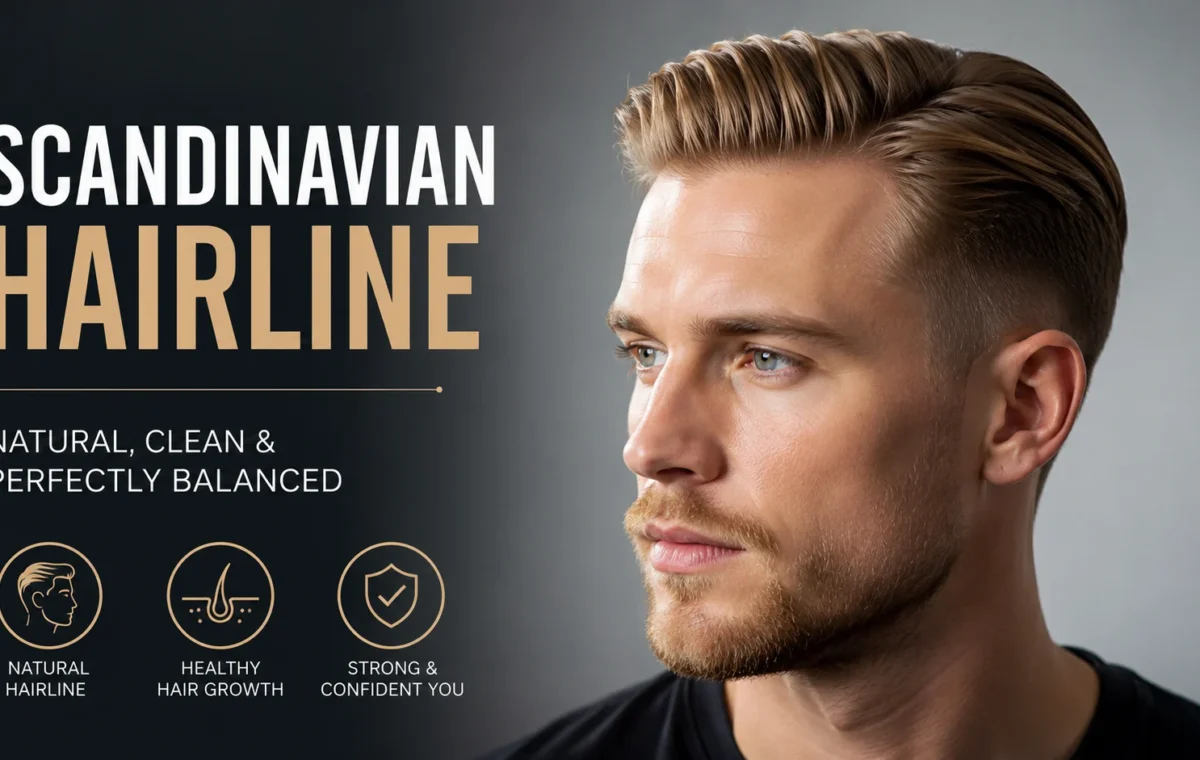
If you’ve spent any time on beauty TikTok or Instagram lately, you’ve probably come across the scandinavian hairline trend. This subtle coloring technique has become one of the most requested salon services for people who want brighter, more dimensional hair without committing to full highlights.
- Quick Facts Table
- What Is a Scandinavian Hairline?
- The Technique Behind the Trend
- Why It Looks So Natural
- Why Social Media Loves It
- Benefits of Choosing a Scandinavian Hairline
- Brightens the Face Instantly
- Less Bleach Than Traditional Highlights
- Works Across Multiple Hair Colors
- Who Is the Scandinavian Hairline Best For?
- Natural Blondes Seeking Dimension
- Brunettes Wanting Subtle Change
- People Looking for Low-Commitment Color
- Scandinavian Hairline vs Other Highlighting Techniques
- The Scandinavian Hairline Process
- Consultation and Color Planning
- The Lightening Application
- Toning and Finishing
- How to Maintain a Scandinavian Hairline
- Use Color-Safe Hair Products
- Limit Excessive Heat Styling
- Schedule Touch-Ups Strategically
- Common Mistakes to Avoid
- Attempting Aggressive DIY Bleaching
- Going Too Light Too Fast
- Ignoring Hair Health
- Did You Know?
- Key Takeaways
- Q: What is a Scandinavian hairline?
- Q: Is the Scandinavian hairline only for blondes?
- Q: How long does a Scandinavian hairline last?
- Q: Can I do a Scandinavian hairline at home?
- Q: Does a Scandinavian hairline damage hair?
- Conclusion
Unlike dramatic face-framing streaks, the Scandinavian hairline focuses on lightening the delicate baby hairs and strands around the forehead. The result is a soft, natural-looking glow that mimics the sun-kissed effect often associated with Nordic blondes.
In this guide, you’ll learn exactly what the technique involves, who it suits best, how it compares to other highlighting methods, how much maintenance it requires, and whether it’s worth trying for your hair type and lifestyle.
Quick Facts Table
| Topic | Details |
|---|---|
| Topic Name | Scandinavian Hairline |
| Category | Hair Coloring Technique |
| Main Purpose | Brighten and frame the face naturally |
| Best For | Those wanting subtle dimension |
| Popular Variations | Classic Scandi Hairline, Money Piece Blend, Soft Babylight Finish |
| Difficulty Level | Professional salon technique |
| Maintenance Level | Low to moderate |
| Key Benefits | Natural glow, face framing, minimal processing |
| Trend Status | Highly popular on social media |
| Suitable Hair Colors | Blonde, brunette, red, and darker shades with customization |
| Related Topics | Balayage, Babylights, Face-Framing Highlights |
What Is a Scandinavian Hairline?
The Technique Behind the Trend
A scandinavian hairline is a coloring technique designed to imitate the naturally lighter strands often seen around the hairlines of Nordic blondes. Instead of highlighting large sections of hair, stylists focus only on the fine hairs around the forehead and temples.
These strands are typically lifted one or two shades lighter than the base color. The subtle contrast creates a soft halo effect that brightens the complexion without making the color look obvious.
Why It Looks So Natural
Traditional highlights distribute lighter pieces throughout the hair. In contrast, the Scandinavian hairline targets only the areas where sunlight naturally hits first.
Because baby hairs are finer, they lift quickly and blend seamlessly into the rest of the hairstyle. This creates the illusion of naturally sun-lightened hair rather than a freshly colored appearance.
Why Social Media Loves It
Beauty enthusiasts appreciate trends that deliver noticeable results with minimal effort. The Scandinavian hairline photographs beautifully and enhances facial features without a dramatic transformation.
Many users also enjoy that it offers an expensive-looking finish while requiring less commitment than a full head of highlights.
Benefits of Choosing a Scandinavian Hairline
Brightens the Face Instantly
One of the biggest advantages of this technique is how effectively it illuminates the complexion. Lighter strands near the face reflect light and create a fresher appearance.
People often describe the result as looking more rested, radiant, or as though they’ve returned from a beach vacation.
Less Bleach Than Traditional Highlights
Because only a small portion of hair is processed, overall chemical exposure is reduced. This appeals to individuals concerned about maintaining healthier hair.
Although bleaching still requires proper care, fewer treated strands often mean less long-term damage compared with extensive highlighting services.
Works Across Multiple Hair Colors
Despite its Scandinavian inspiration, this trend isn’t reserved exclusively for blondes.
Colorists can adapt the technique for brunettes, redheads, and darker shades by selecting tones that complement the client’s natural color and undertones. The effect may appear softer but remains equally flattering.
Who Is the Scandinavian Hairline Best For?
Natural Blondes Seeking Dimension
Blondes often experience the most dramatic results because subtle lifting closely mimics naturally sun-lightened hair.
The added brightness can refresh existing highlights without scheduling a complete color appointment. It also helps soften visible regrowth between salon visits.
Brunettes Wanting Subtle Change
Many brunettes hesitate to commit to heavy highlights. A Scandinavian hairline offers a gentle introduction to lighter tones.
Strategically brightened strands provide movement and dimension while preserving the richness of the base color.
People Looking for Low-Commitment Color
Those who want noticeable enhancement without major upkeep often appreciate this approach.
Since the highlighted area is relatively small, grow-out tends to appear softer than traditional highlighting methods, making salon maintenance more flexible.
Scandinavian Hairline vs Other Highlighting Techniques
Many people confuse the Scandinavian hairline with other face-framing trends. Understanding the differences helps determine which option best suits your goals.
| Feature | Scandinavian Hairline | Money Piece | Balayage |
|---|---|---|---|
| Focus Area | Baby hairs and perimeter | Front face-framing sections | Mid-lengths to ends |
| Brightness Level | Subtle | Bold | Moderate |
| Maintenance | Low to moderate | Moderate | Low |
| Overall Impact | Natural glow | Statement effect | Sun-kissed dimension |
| Processing Area | Minimal | Front sections | Larger sections |
| Best For | Everyday enhancement | High contrast looks | Soft blended color |
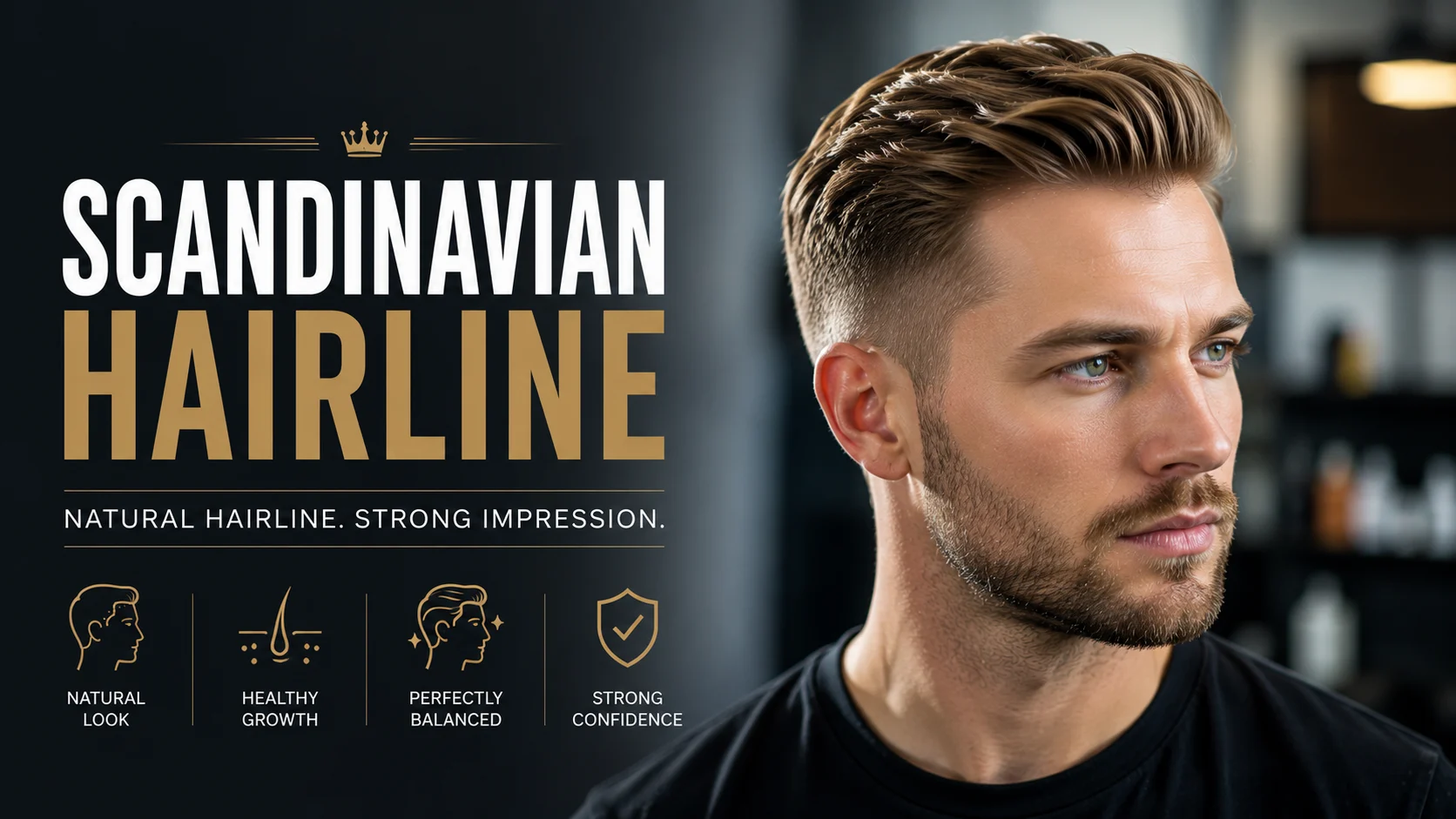
The Scandinavian Hairline Process
Consultation and Color Planning
Every successful appointment starts with assessing hair health, previous color history, and desired results.
Your stylist determines how many levels of lift are appropriate and whether your hair can tolerate the lightening process safely.
This is also a great opportunity to discuss your maintenance expectations and bring inspiration photos.
The Lightening Application
The stylist carefully isolates baby hairs and delicate perimeter strands before applying lightener.
Precision matters because these hairs frame the face. The goal is to create brightness without harsh lines or obvious patches of color.
Because the sections are fine, processing time is often shorter than standard highlights.
Toning and Finishing
Once lifted, the hair is usually toned to achieve the desired shade.
Cool blondes may receive ash toners, while warmer looks benefit from golden finishes. The final styling reveals how seamlessly the brightened strands blend into the rest of the hair.
How to Maintain a Scandinavian Hairline
Use Color-Safe Hair Products
Investing in shampoos and conditioners designed for color-treated hair helps preserve vibrancy.
These formulas are generally gentler and support moisture retention, which is especially important after any lightening service.
You might also enjoy our related guide on choosing the best shampoos for highlighted hair.
Limit Excessive Heat Styling
Baby hairs are naturally delicate and can become more fragile after bleaching.
Using heat protectants and reducing the frequency of hot tools can help minimize breakage and maintain a healthy appearance.
Air-drying whenever possible offers additional protection.
Schedule Touch-Ups Strategically
Most clients can comfortably wait several months before refreshing their Scandinavian hairline.
Timing depends on individual growth rates, desired brightness, and how blended the original application remains over time.
For more maintenance advice, explore our expert tips for extending salon color longevity.
Common Mistakes to Avoid
Attempting Aggressive DIY Bleaching
Applying bleach near the forehead requires precision and experience.
Improper placement can lead to uneven color, skin irritation, or over-processing of fragile hairline strands. Professional application remains the safest option.
Going Too Light Too Fast
Some people assume brighter always means better. Excessive contrast can create a harsh effect that loses the technique’s natural charm.
Gradual lightening often produces the most flattering outcome.
Ignoring Hair Health
Even minimal bleaching impacts the hair structure.
If your strands are already compromised from previous treatments, prioritize strengthening routines before pursuing additional lightening services.
You may also benefit from reading our complete tutorial on repairing damaged color-treated hair.
Did You Know?
💡 The Scandinavian hairline trend gained major popularity through TikTok beauty creators showcasing its face-brightening effect.
💡 Because baby hairs process quickly, appointments are often shorter than traditional highlight sessions.
💡 The technique can be customized for nearly every hair color, not just blonde shades.
Key Takeaways
- The scandinavian hairline focuses on lightening baby hairs around the face.
- It creates a natural, sun-kissed halo effect.
- The technique uses less bleach than full highlights.
- It works for blondes, brunettes, redheads, and darker shades.
- Professional application is strongly recommended.
- Maintenance is generally lower than many traditional coloring methods.
- Color-safe products help preserve brightness and hair health.
- The trend offers subtle enhancement rather than dramatic transformation.
Q: What is a Scandinavian hairline?
A: A Scandinavian hairline is a hair coloring technique that lightens the baby hairs and strands along the forehead and temples. The goal is to create a soft, face-framing glow that resembles naturally sun-lightened hair.
Q: Is the Scandinavian hairline only for blondes?
A: No. Although inspired by Nordic blonde hair, the technique can be adapted for brunettes, redheads, and darker hair colors. Stylists customize the tones to complement each individual’s base shade and skin undertones.
Q: How long does a Scandinavian hairline last?
A: Results vary depending on hair growth and maintenance habits, but many people refresh the look every two to four months. Because the highlighted sections are small, regrowth often appears softer.
Q: Can I do a Scandinavian hairline at home?
A: While tutorials exist, professional application is recommended. Bleach placed near the face requires careful handling to avoid uneven results, breakage, and skin irritation.
Q: Does a Scandinavian hairline damage hair?
A: Any bleaching process can affect hair health. However, because this technique targets only a small portion of the hairline, overall exposure is lower than many full highlighting services. Proper aftercare further minimizes damage.
Conclusion
The scandinavian hairline has earned its popularity for good reason. It delivers subtle brightness, enhances facial features, and creates an effortlessly sun-kissed finish without the commitment of full highlights. Its versatility allows people across various hair colors and styles to enjoy a customized version of the trend.
Whether you’re seeking a gentle refresh between appointments or trying color for the first time, this technique offers a balanced approach to modern hair enhancement. With professional application and thoughtful maintenance, a Scandinavian hairline can provide the luminous, natural-looking glow many people are searching for.